
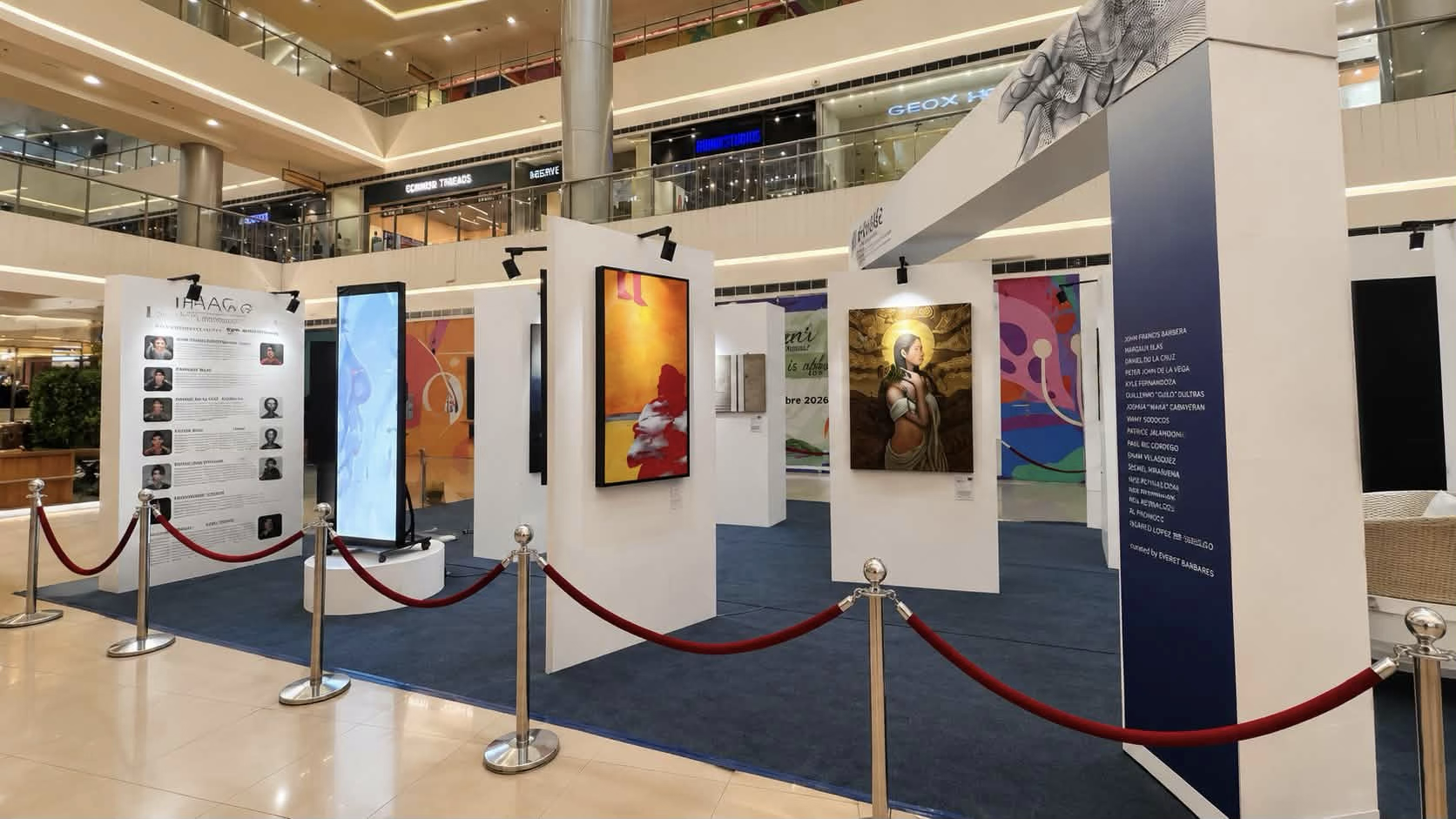
What, exactly, is being placed on the table by this new art exhibition curated by Elvert Bañares amid the continuing conversation about curatorship in the art community of Western Visayas, particularly in Iloilo City? There are many possible answers, but I would like to point to several questions and observations that I consider important. More than simply presenting another collection of artworks, Hánag: Emergent Perspectives offers an opportunity to reconsider what an exhibition can do, what a curator is expected to accomplish, and how art can participate in a larger public conversation. It is especially significant because the exhibition does not seem interested in presenting curatorship as a formula for perfection. Instead, it suggests that curatorship is fundamentally an intentional act of creating relationships among artists, artworks, spaces, histories, and audiences. A curator does not necessarily have to provide the final answer. The curator creates the conditions through which questions can emerge and through which viewers are given a direction from which to look, reconsider, and engage.
This is a productive starting point for a conversation about curatorship in Iloilo. Hánag may not be entirely distant from earlier art exhibitions presented inside a shopping mall, but it is sufficiently different to make us look again. There are new names, new works, new combinations, and new ways of positioning artistic practices beside one another. The exhibition brings together visual arts, photography, fashion, furniture design, film, and new media, and in doing so, it refuses to treat these disciplines as isolated territories. Instead, Bañares creates a meeting point where different practices can reveal their connections and contradictions. The question therefore shifts from simply asking who has already been recognized to asking who else deserves to be seen, who else should be part of the conversation, what new practices are emerging, and what is happening beyond the boundaries of the traditional visual arts community. This is where the exhibition becomes more provocative. It does not merely ask us to look at art. It asks us to examine the structures through which artists become visible in the first place.
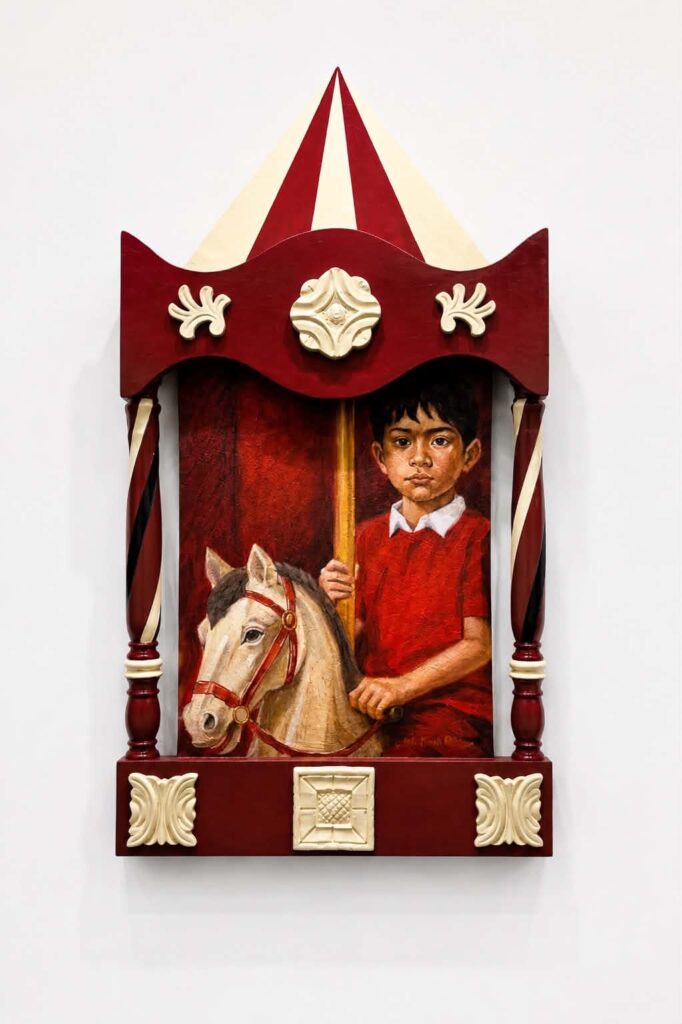
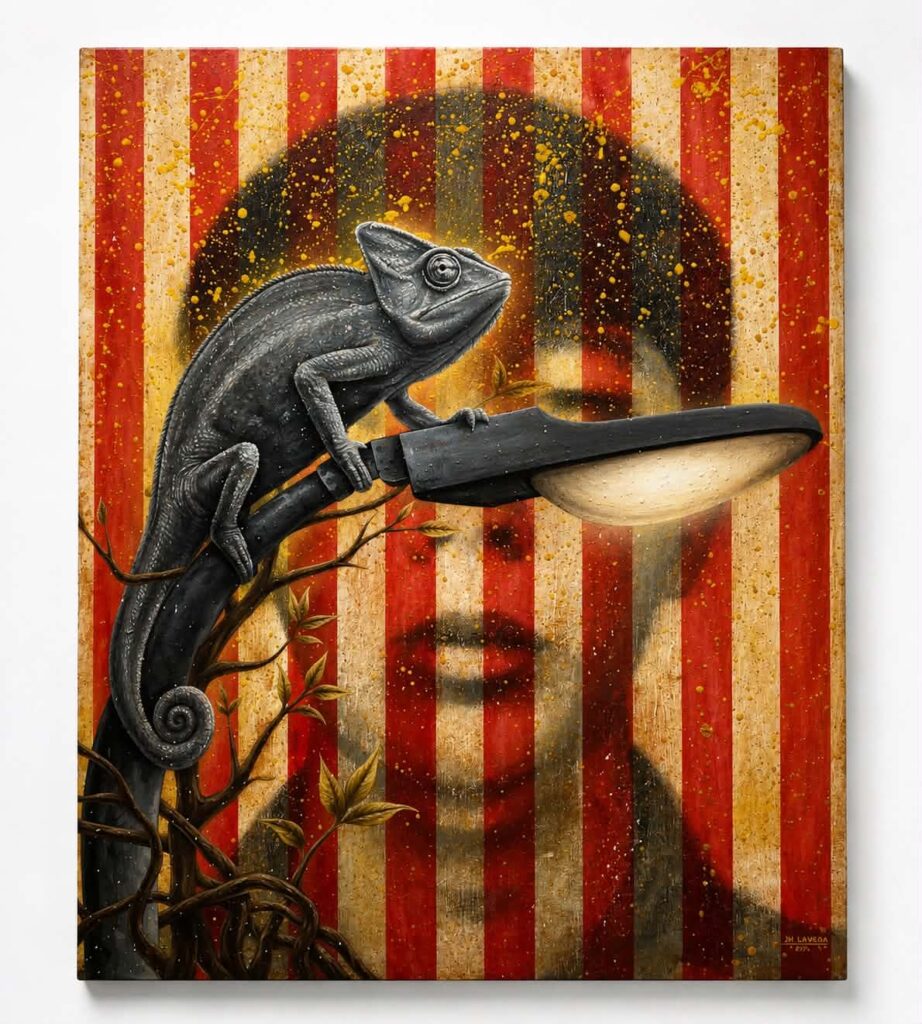
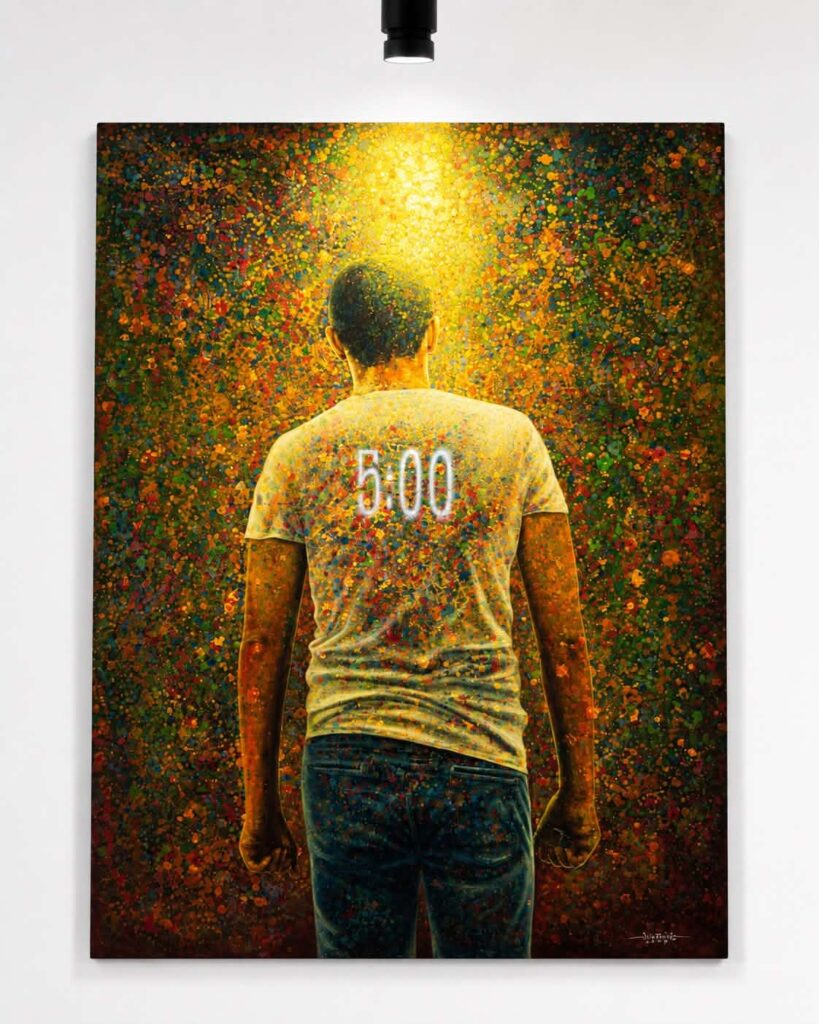
The word Hánag itself provides an appropriate framework for this proposition. In Hiligaynon, hánag evokes the quiet and persistent arrival of light, the subtle glow before full illumination, the shimmering outline of something beginning to become visible, and the gradual revelation of a path that has not yet been completely defined. It speaks of emergence rather than completion. This is important because contemporary artistic practice is rarely a finished and stable identity. Artists are constantly negotiating memory, place, technology, heritage, personal experience, politics, material, and changing cultural conditions. An artistic identity often becomes visible only through this process of experimentation and accumulation. Hánag: Emergent Perspectives therefore becomes more than a title. It becomes a curatorial proposition about how artistic identities take shape, how ideas move from private thought into public form, and how individual practices contribute to a larger cultural horizon.
The exhibition statement describes emergence as the point where raw ideas become form, personal narratives expand into memories, and creative identities find their grounding. That proposition becomes particularly compelling when applied to the contemporary Ilonggo artistic landscape. What does it mean to be an Ilonggo artist today? Is Ilonggo identity something inherited, something performed, something remembered, something contested, or something continuously reconstructed? Can an artist be rooted in Ilonggo culture without reproducing familiar images of Iloilo? Can regional art be contemporary without abandoning its cultural specificity? These are not merely aesthetic questions. They are questions about representation, cultural ownership, memory, and visibility. By bringing artists from different disciplines into one exhibition, Hánag allows these questions to exist beside one another rather than forcing them into a single definition of what Ilonggo art should look like.
This is where Bañares raises the level of the conversation. The important question is no longer simply whether the individual works are good. The more interesting question is what happens when these works are placed together and allowed to speak to one another. A curatorial practice becomes meaningful precisely at this point. The curator establishes relationships, but those relationships should not become so rigid that they dictate what the audience is supposed to think. Instead, they should create productive tensions. One artwork can challenge another. A piece of furniture can enter into conversation with photography. Fashion can speak to questions of identity. Film can complicate the way we understand visual memory. New media can disturb our assumptions about what constitutes an artwork. The exhibition becomes a temporary ecosystem in which different artistic languages encounter one another and produce meanings that may not have been visible when each work existed independently.
There is also something deeply respectful in the way Bañares approaches the work of fellow artists. Curatorial respect is not simply about choosing artists. It is also about how their work is presented after the selection has been made. Proper lighting, clear labels, appropriate spacing, thoughtful positioning, and a disciplined presentation matter because these decisions determine how an audience encounters the work. In Hánag, the artworks are given enough space to breathe. They do not unnecessarily compete with one another. The presentation allows the viewer to look closely and to recognize the particular strength of each piece. This may appear to be a simple matter of exhibition design, but it is actually a question of ethics. To curate is also to take responsibility for how an artist’s work is seen, understood, and encountered by the public.
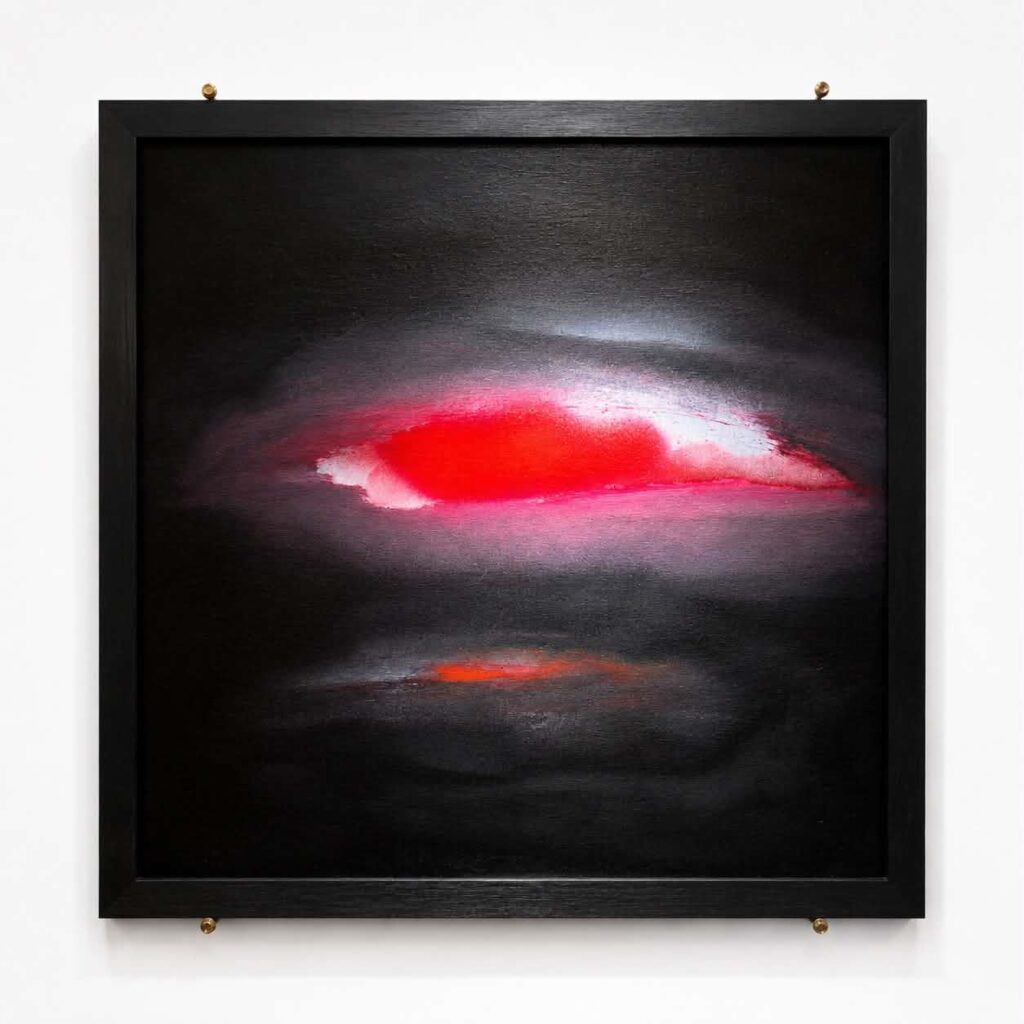
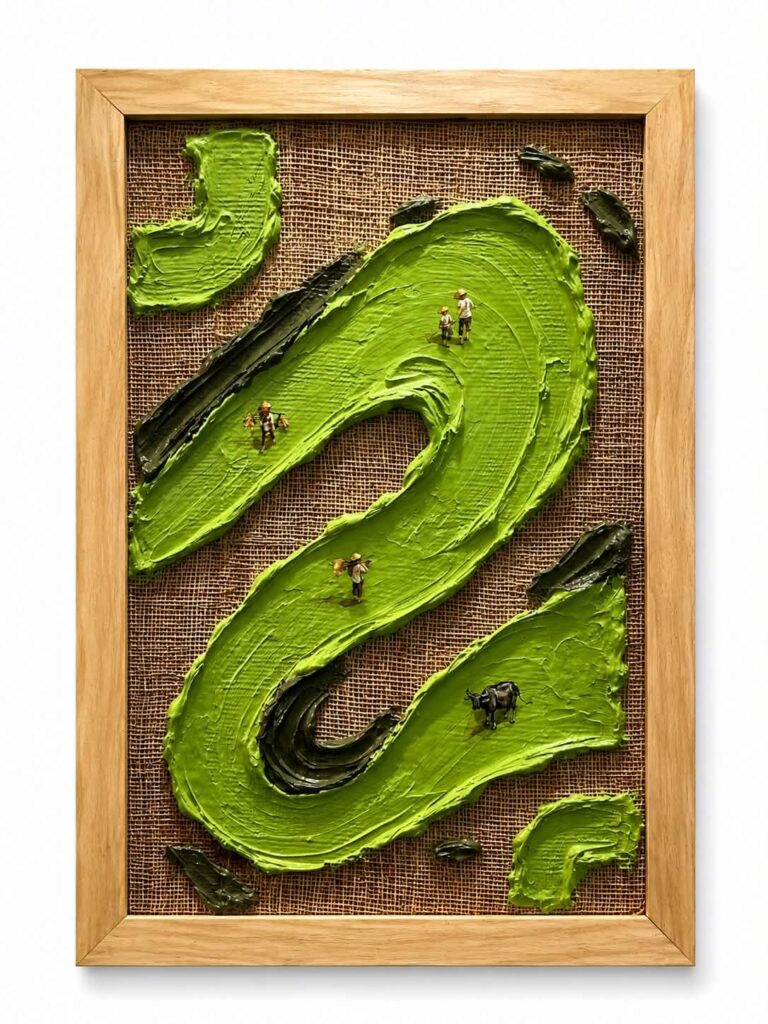
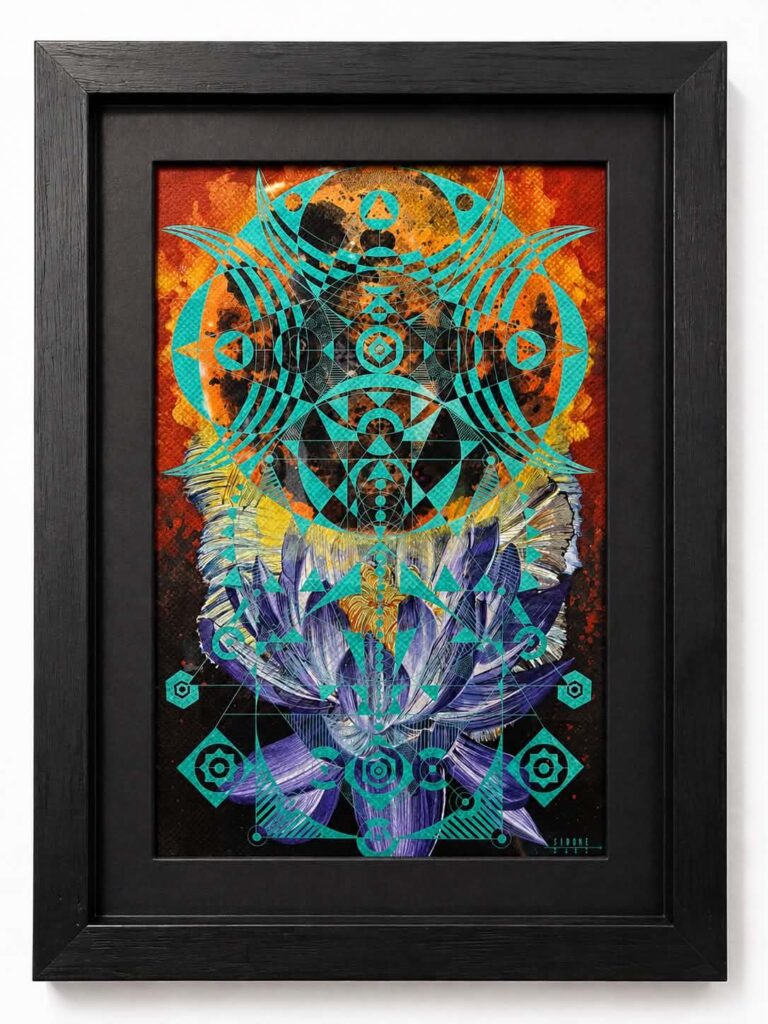
The artworks themselves invite conversation because they differ not only in material but also in message, intention, process, and even in what they leave unresolved. Some works may immediately communicate an idea, while others require patience. Some may be visually compelling, while others provoke through concept. Some may be technically polished, while others are interesting precisely because of their experimentation or incompleteness. The gaps become as important as the achievements. What is missing? Whose perspective has not yet entered the room? What artistic discipline has yet to be represented? What questions remain unanswered? A meaningful exhibition should not be afraid of these absences. In fact, recognizing what is missing can be one of the most productive outcomes of curatorial work.
The decision to allow the exhibition to operate across two platforms, SM City Iloilo and the TAOHAY NCCA Cultural Center and Regional Hub, also creates an interesting institutional and spatial conversation. The mall is a broad and highly accessible communal environment where art encounters audiences who may not necessarily enter conventional galleries. TAOHAY, on the other hand, positions the exhibition within a space more explicitly associated with artistic and cultural activity. The movement between these spaces suggests that art does not have to remain confined to established cultural institutions. It can enter spaces where people already gather, while cultural spaces can simultaneously become more open to audiences who might otherwise remain outside them. The challenge is not merely to bring art to the public but to reconsider what we mean by the public in the first place.
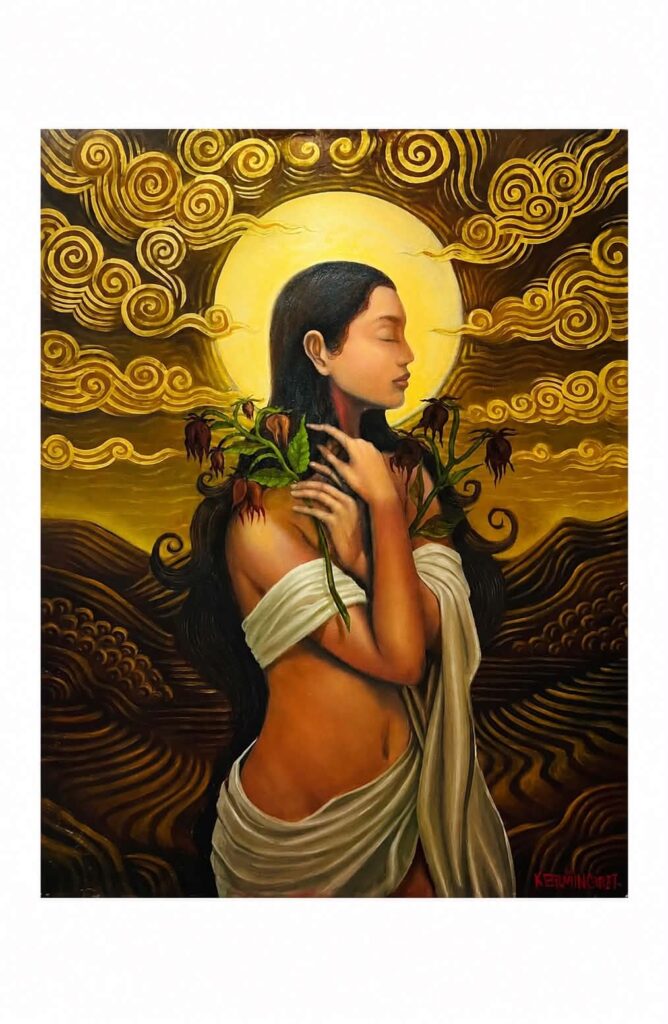
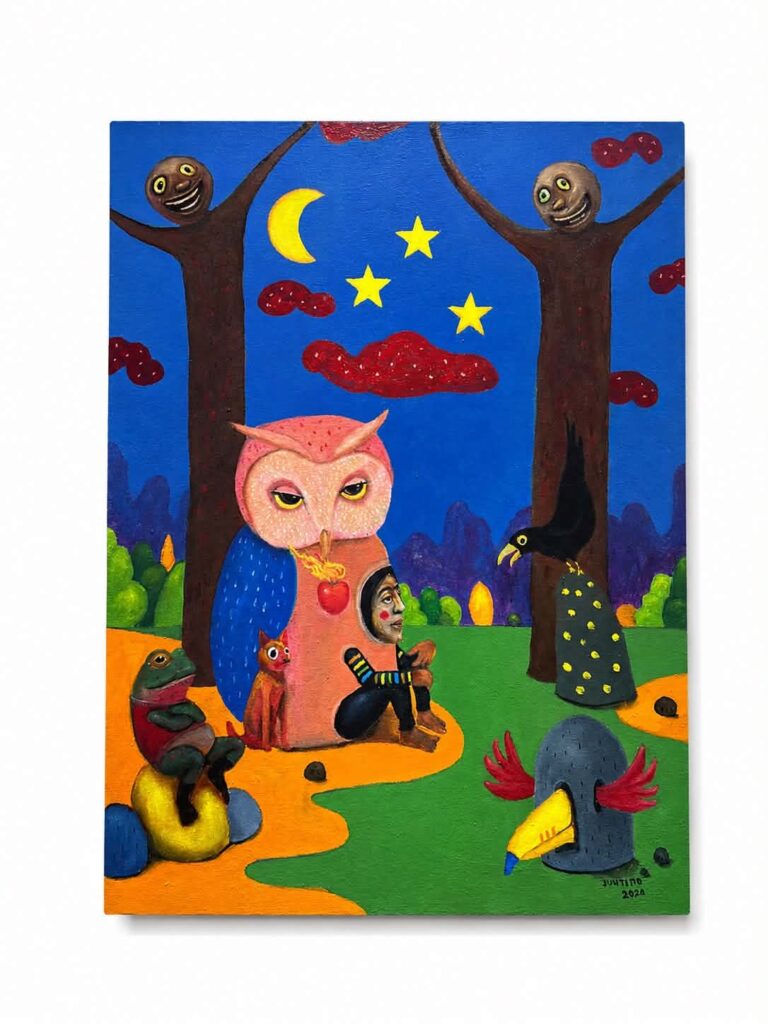
This is perhaps one of the most important contributions of Hánag. It opens the door not only for artists but also for audiences. Curatorship should not become another mechanism for gatekeeping, where a small group of people determines who deserves visibility and what qualifies as important art. At its best, curatorship should expand the conversation. It should make the art community more porous, more generous, and more willing to encounter practices that may not fit established categories. The question should therefore not only be, “Who should we recognize?” but also, “Who have we failed to see?” and “What structures can we create so that more people have the opportunity to speak?”
The exhibition also reminds us that celebrating Iloilo’s artistic identity should not mean romanticizing it. The 89th Iloilo City Charter Day provides a meaningful occasion for celebration, but celebration becomes more valuable when it is accompanied by critical reflection. To celebrate a city through art is also to ask what kind of cultural landscape the city is producing, who gets represented within that landscape, who remains invisible, and what kinds of artistic practices are being supported. A city cannot claim to be culturally alive simply because it hosts exhibitions. It must also cultivate the conditions that allow artists to experiment, disagree, fail, develop, and be seen.
Perhaps the most important lesson of Hánag is therefore quite simple: we need to let every artwork speak. But artworks cannot fully speak when they are poorly presented, crowded into an exhibition without a discernible relationship, reduced to decoration, or separated from the audiences they are meant to engage. They speak when curatorial decisions give them space, context, visibility, and the possibility of encounter. Good curation does not silence the artwork by explaining everything for the viewer. Instead, it creates the conditions for the artwork to initiate a conversation.
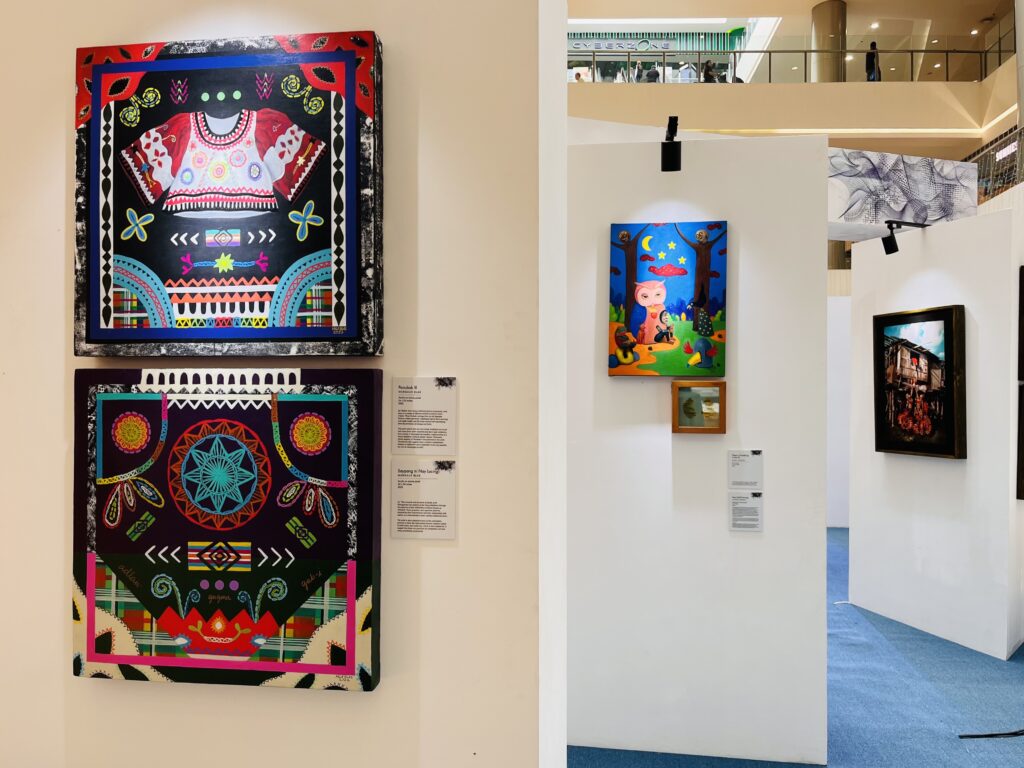
And this is where Hánag becomes relevant to the continuing development of the art community in Western Visayas. It gives us an opportunity to ask not only whether we have enough exhibitions, artists, galleries, and cultural spaces, but whether we are developing a stronger culture of looking, questioning, presenting, and listening. The challenge before curators is not to achieve some impossible perfection. It is to be intentional, responsible, and generous in creating encounters between art and the public. The challenge before artists is not simply to produce work but to enter the larger conversation that their work can generate. And the challenge before audiences is not merely to consume exhibitions but to participate in the dialogue they make possible.
Hánag offers a glimpse of that possibility. It is a gathering of emerging perspectives, but more importantly, it is an invitation to make those perspectives visible. The light does not arrive all at once. It appears gradually, unevenly, sometimes unexpectedly. Perhaps that is what a living art community should look like too: not a perfectly illuminated landscape in which everything has already been decided, but a continually emerging horizon where new voices can appear, where established assumptions can be challenged, and where the work of one artist can open the door for another.
The question, then, is no longer simply what is on display. The more provocative question is: What kind of art community are we building through the ways we select, present, recognize, and make space for one another? That is the conversation Hánag places on the table, and it is a conversation that Iloilo’s art community should not be afraid to continue.